
In normal weather, a drainage system might appear to be in good working order. However, a rainy day can reveal weaknesses in the structure of the property. Parking areas are flooded, detention ponds overflow fast access roads become dangerous, and low-lying areas start collecting water that has no place to go. In many instances it’s not the rain that is causing these issues. The location may not have the correct system for moving stormwater if gravity isn’t enough.
A stormwater lift station becomes essential. They collect and then pump away stormwater from areas where it naturally builds up. They also help safeguard structures, roads facilities, and even outdoor space. Lift stations are an essential element in any kind of project, whether they are industrial, municipal, commercial or residential. They are also important to ensure that a site is operational both during and after storms.
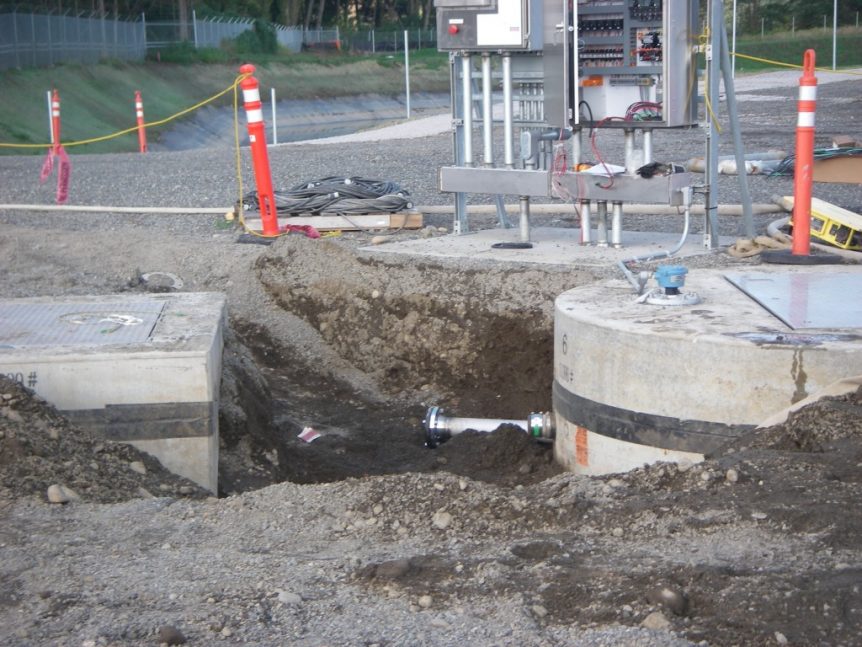
Stormwater management should be designed to be adapted to the specific site.
Every property handles runoff differently. A retail store with a large parking area paved with asphalt will not operate like an urban subdivision however neither will require the same requirements as a industrial site or municipal drainage project. The rates of flow, elevations of the site as well as detention requirements and discharge conditions all affect how a stormwater management program should be planned.
Romtec Utilities is not a company that approaches stormwater pumping in a conventional manner. Every system is designed for the particular site’s pumping needs, whether that means controlling flooding, emptying a detention pond, managing the runoff from a property that is developed, or supporting a larger drainage system for the city. The most effective solution will depend on the quantity of water that needs to be moved and how quickly.
A stormwater runoff pump station is more than just a pump in a vault
It requires more than powerful machines to create an efficient runoff pumping station. It is an integrated system that combines structural, electrical, mechanical controls, and other components in a seamless way to control stormwater flows efficiently and continuously. To ensure that the station operates at its peak over its entire lifespan crucial elements like precise pump sizing, precise wet well design, modern controls and durable piping, as well as robust power systems, as well as real-time monitoring should all work in perfect harmony.
The total integration of the system ensures that the top stromwater system design firms stand out. A top-quality design does not simply address an immediate drainage crisis; it takes an active, long-term strategy. The highest-quality engineering is based on the ease of maintaining over time, future requirements for the site, and maximum operating efficiency. It is important to ensure that the package pumping system can perform in extreme weather conditions in the real world rather than relying on ideal assumptions.
This precise planning is important whether you’re managing flooding from torrential waters or designing high-pressure municipal networks, like pumps for clean water where failure of the system cannot be a viable option. Romtec Utilities creates stormwater systems that take into account these practical realities. The pump stations designed by Romtec Utilities can be used to various applications. Owners also gain from staff-training, assistance in starting the system, and documentation.
Better planning creates better flood protection
A stormwater pumping station properly constructed can decrease risk of flooding, improve accessibility, and safeguard the surrounding properties from water destruction. It can also make a site more resilient by ensuring that runoff is managed quickly and efficiently during large storms.
Stormwater infrastructure is easy to overlook until it fails. A sturdy stormwater liftstation is the best investment property owners or municipality can make to manage runoff efficiently, instead of passively. With the right design and the right support, a strong stormwater management system helps keep a site safer, more functional, and better prepared for the realities of changing weather.