
The importance of phones remains for veterinary practices even when the offices are closed. Animals are sick in the evening, clients panic during weekend hours, and their questions are not always answered at the most convenient times. When those calls go unanswered or are sent to voicemail or sent to a generic answering service that lacks knowledge of the clinical process, the result is usually frustration for pet owners, anxiety for veterinarians on call, and missed opportunities for the practice itself.
After-hours communication is a crucial aspect of the veterinary industry. A quality veterinary answering service is much more than a phone pick-up. It helps practices maintain relations with their clients, guide pet parents to the next most appropriate step, and ease the workload of their employees. In the modern veterinary setting the availability of after-hours assistance isn’t only a benefit. It’s an integral part of how a practice provides continuity of care.
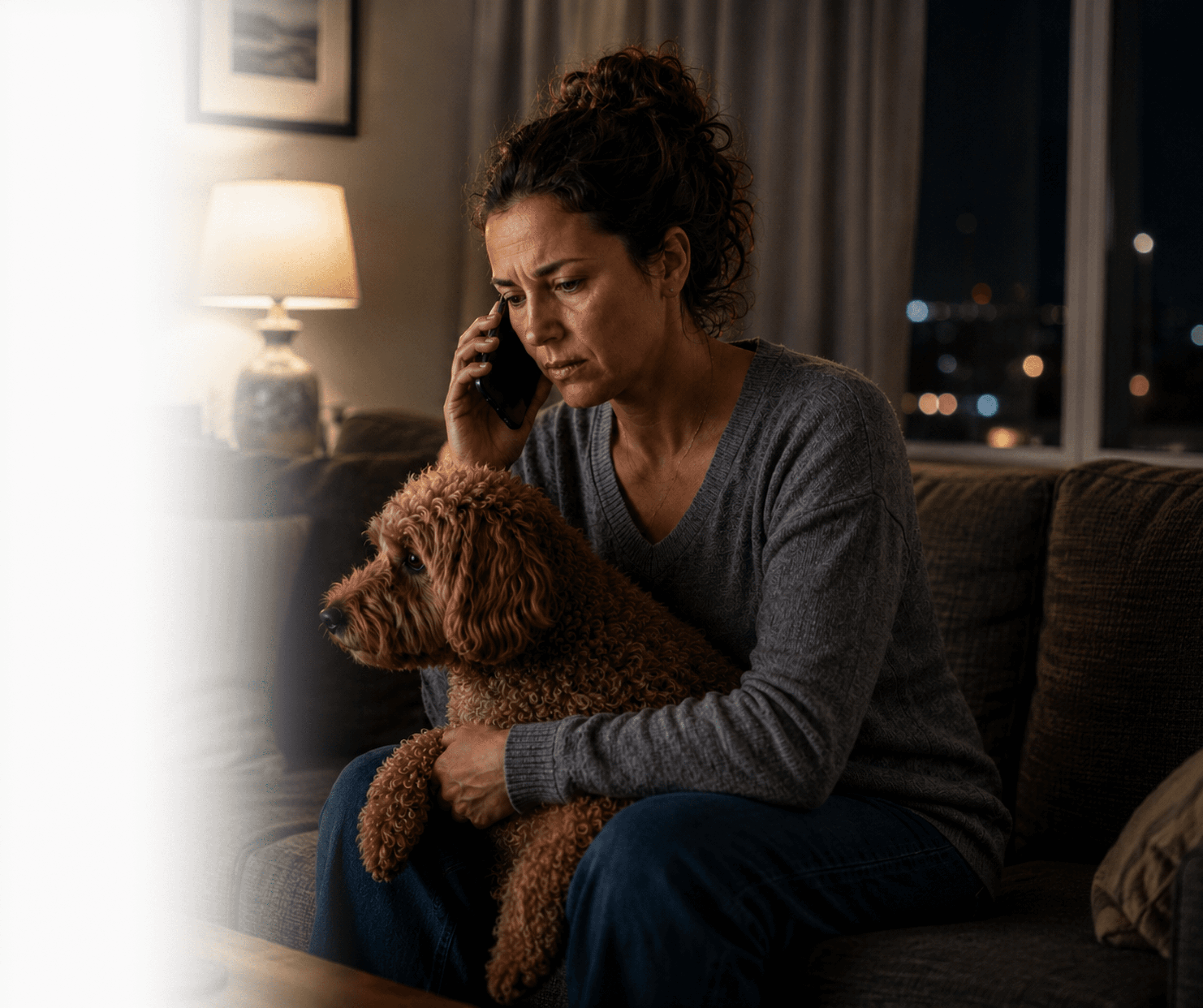
Image credit: guardianvets.com
Some answer solutions aren’t made for veterinary use
There is a big distinction between a general vet answering service and one designed specifically for animal hospitals. In a hospital environment answering phone calls after hours isn’t always simple. The patient may be worried about toxins, post-surgical problems breathing issues, vomiting or if the pet requires urgent care. These types of situations go beyond just relaying messages. They require judgement, organization and a calm, calming communication from a person who is knowledgeable of the workflow of veterinary medicine and the urgency.
That’s where GuardianVets distinguishes itself. GuardianVets is not simply a call center. It is a veterinary focused support partner staffed only by licensed veterinary technicians. That distinction matters. A trained technician can assess the nature of the call, follow the clinic’s triage and escalation protocols, help the pet owner understand the level of urgency, and direct them toward the right next step without stepping outside the boundaries of the veterinary-client-patient relationship.
A veterinary triage service aids all people make better choices
A proper veterinary triage program can give clarity in stressful times. Pet owners usually don’t determine if an issue is one that should wait until morning, whether they should schedule a follow-up, or whether they need urgent medical attention immediately. Many people are left in the dark, and are forced to seek out an emergency clinic unnecessaryly, or wait to seek treatment.
This gap can be filled by triage. Triage allows pet owners to have someone to talk to who knows the subject, eases confusion and aids practices in making sure that urgent situations are escalated properly while non-emergent issues are documented and sent to the correct way. This prevents vets from being interrupted by cases that don’t really require doctor-level interventions after hours. This could have a major impact on work-life balance in hospitals, where doctors shoulder their own clinical workload throughout the day, while working night shifts.
Call centers for vet practices must be able to function alongside your existing workflows and not work against them
A modern call center for veterinary medicine cannot function as a isolated service, positioned outside your practice. It should function as an extension to your entire team. This means it should understand your communication preferences and rules for appointments as well as emergency protocols as well as escalation routes and protocols. Integrating with your PIMS of choice will allow you to incorporate triage notes documents for calls and results of scheduling into the same system your team is using.
GuardianVets has been built around this idea. Their method involves auditing any the gaps in coverage of calls, mapping how client communication is currently handled, and creating an approach that is based on the actual practice rather than forcing the clinic into a rigid structure. This is a significant change from traditional answering firms that typically just record messages and then leave it to the clinic.
In addition to convenience, it is enhanced through better coverage after hours
A reliable veterinary after hours answering service does more than reduce missed calls. It ensures that clients are not under stress, allows more patients in the network of the practice and enables teams to more effectively manage demand during off hours. This can improve revenue by converting weekend and overnight inquiries to booked appointments, instead of missed opportunities.
This assures pet owners that they can get help should they need it. In the field of veterinary medicine, this kind of support is important since most calls after hours don’t just concern logistical issues. They are also emotional. People worry about their beloved pet, and their reaction will influence how they feel about the procedure after the situation is settled.
GuardianVets offers a unique approach for hospitals who want to improve care for clients and team health. It goes far beyond the typical veterinary answering services. Integrating clinical triage into workflow integration and compassionate communications it lets practices be available to their patients even when the clinic is closed.