
Although a pumping station may appear like a simple structure from the outside however, each project is unique. A pump station may be required to carry the wastewater of a housing development uphill, and a different site might require pressure to be maintained across commercial buildings with changing elevations. Certain projects are industrial, and others are municipal. Each one has distinct requirements for the design, regulation and long-term goals.
This is the reason that pumping systems are not constructed using the “one-size-fits all” approach. A pumping station that is effective should take into consideration the specifics of the location. This includes flow rates, ownership requirements and the future of the property it serves. Romtec Utilities works from that perspective, designing each package pumping system in accordance with the specific requirements of the project, rather than requiring the project to be fitted with into a standard system.
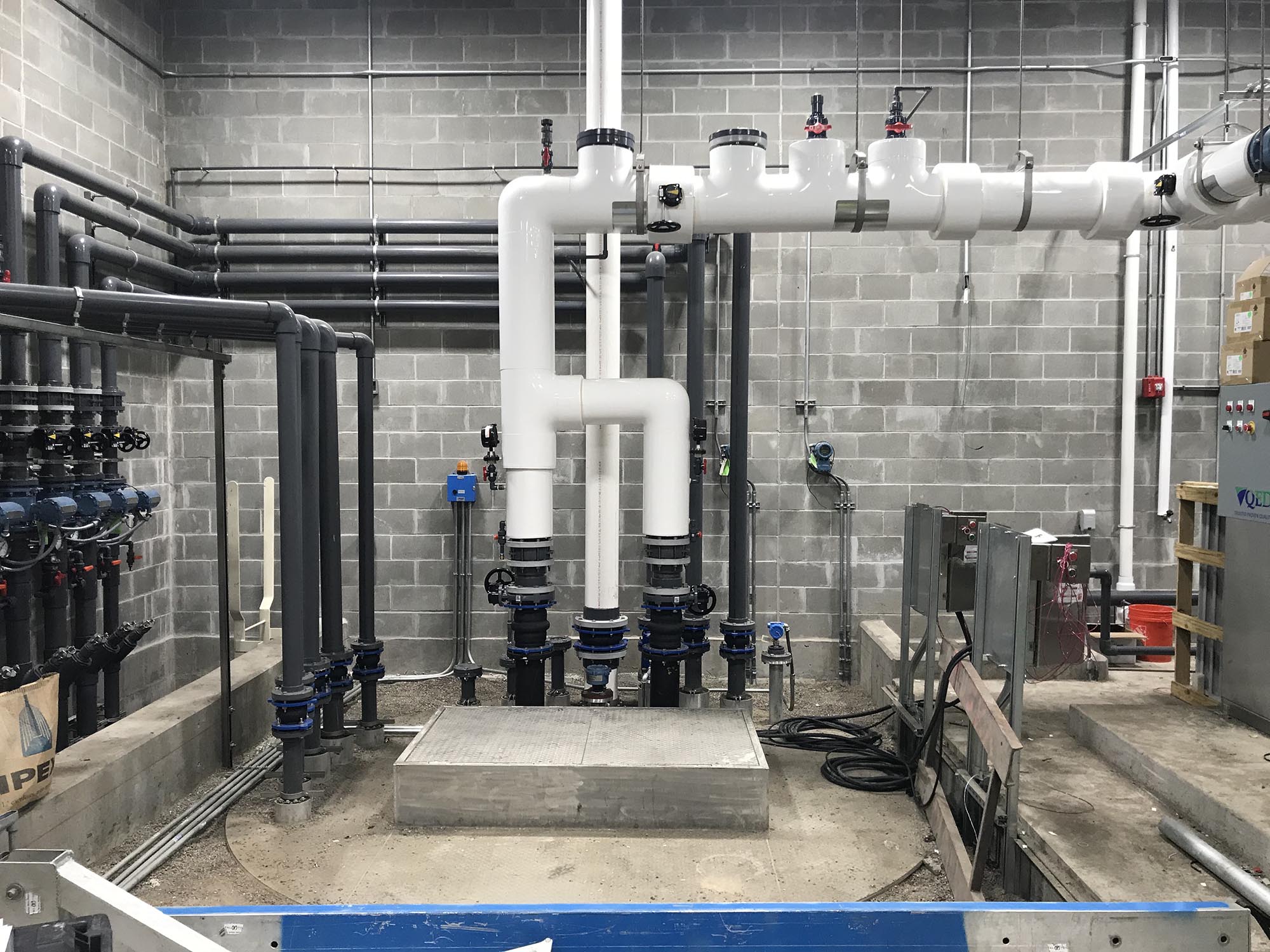
Pumping is more than moving water.
Pumping stations are made to transport water or waste which gravity is unable to. A system that works is not good enough. It must also be efficient, reliable and simple to operate and fully in line with the requirements of state and local authorities. It should be able to perform not just in the abstract but also every day for the individuals who are responsible for using it.
This includes everything from the design of structural elements and wet well sizing to controls for electrical systems, communication equipment and access to maintenance workers. If one or more of these components is poorly designed, the system may create problems in operation for many long time to be. It is for this reason that owners and engineers are always eager to work with the most skilled designers of lift stations. Experience matters when you are trying to manage hydraulic performance, long-term durability budget, limits of the site.
Romtec Utilities brings these disciplines together under one under one roof. Instead of requiring customers to coordinate multiple vendors for different elements of the station, Romtec Utilities handles the structural, mechanical, electrical, and communications components as a whole. This one-source solution could make it easier to plan the design phase, reduce confusion in the procurement process, and ease out the installation.
Package pumping systems are simpler when they are designed properly.
A packaged pumping system makes infrastructure projects as it incorporates the most important components into one coordinated solution. However, the true value lies from the way that the package is engineered. Unsuitable systems could result in problems with performance, equipment that is too large excessive maintenance costs, or even long-term issues.
Romtec Utilities approaches each package as a completely engineered system rather than a catalog product. This means selecting the most suitable valves, pumps and controls for your particular site, as well as the piping, enclosures, and enclosure options. It is also crucial to think about how the system can be monitored, the ways that users will have access to it, and what maintenance it will require in the future. In the case of utility infrastructures, thoughtful coordination in the initial stages of design can often avoid bigger issues later on.
Booster pump stations address a other kind of infrastructure problem
In not every project is wastewater involved. In many projects, maintaining water pressure is just as crucial as transferring sewer. This is where booster pump stations play a critical role. They are built to ensure water flow is efficient throughout a distribution system when an elevation change, lengthy pipe runs, or peak demand would otherwise create pressure issues.
Booster systems require a distinct design approach to engineering, since they can include SCADA integration and variable frequency drives (VFDs) Telemetry, and architectural considerations based on the specific location. Romtec Utilities designs these stations with the same approach to design and construction used for wastewater systems, ensuring that the final product works both operationally and functionally.
A better planning will result in better long-term outcomes
Support for early design is one of the most valuable parts of Romtec Utilities’ process. Early design and engineering help helps project teams understand the probable scope, configuration and the cost of a system prior to moving too far into the procurement process or construction. This can be a huge benefit for consultants and public agencies as well as developers trying to keep projects on the budget and within time.
Planning is the key to success, whether it’s a wastewater lifting station, a pumping package system, or one of many custom booster pump stations. A good design consultant will be more than merely supplying equipment. The ideal design partner helps to design a sustainable solution that works for the site and meets the needs of the owner.
The most reliable systems for utility work are usually the ones which the general public does not think about because they work. It is rare for such reliability to occur by random chance. It is due to carefully planned engineering, coordination and experience in designing each system to meet the requirements of the project.