
For one wearer, the appeal of the wig’s color is offset by a cap that becomes uncomfortable after several hours. A realistic hairline is welcome, but another customer finds spending twenty minutes on lace each morning impractical. A third customer chooses an appealing unit and discovers that its density creates a heavier feel than expected.
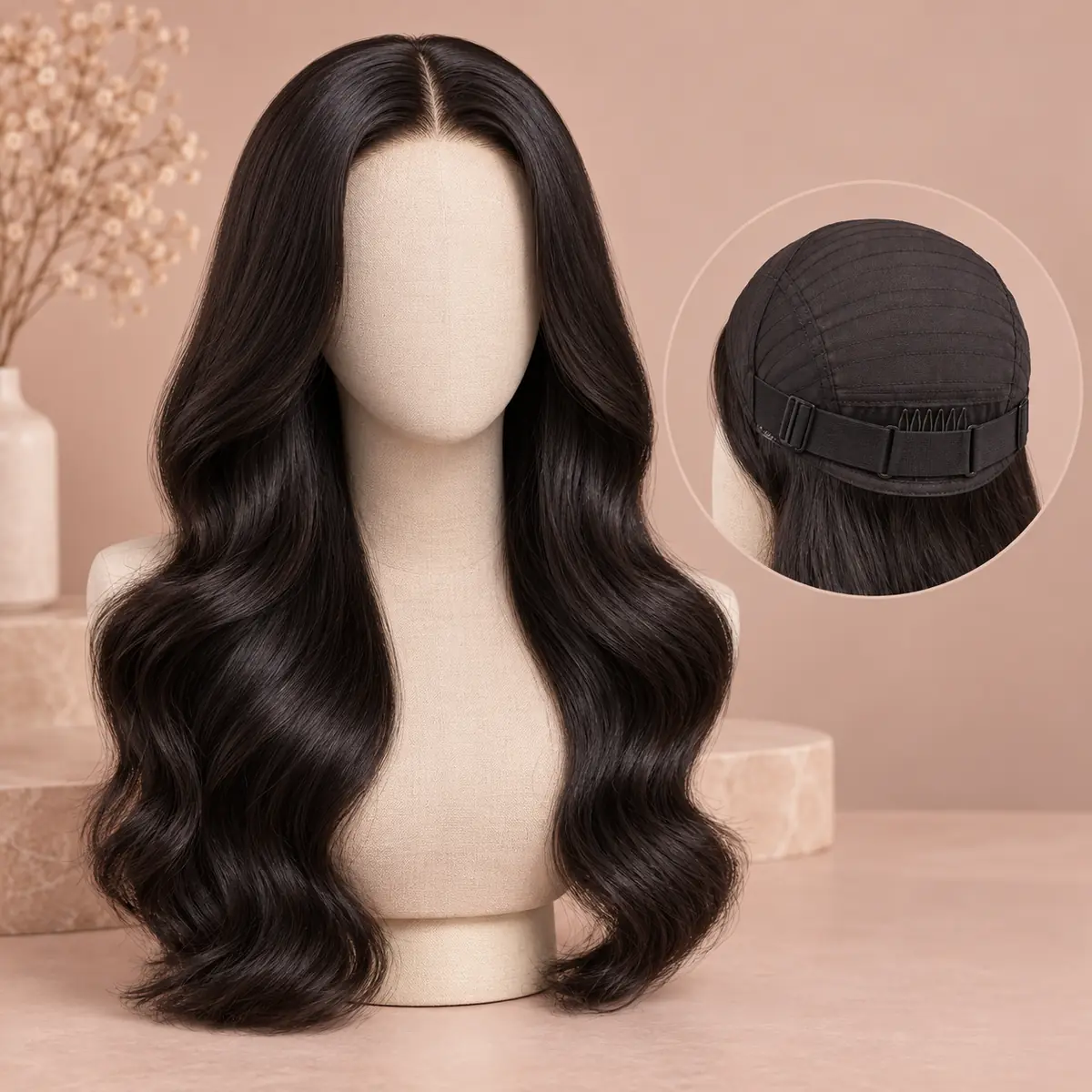
Image credit: vayorahair.com
A product development team can view such comments as something beyond reviews. The opportunity is to turn these insights into products that people really want to wear.
A strong wig lineup does not have to be defined by the latest hairstyle trend. A collection should begin with the wearer’s needs and the experience they want once the wig is on.
Look Beyond the Sale
When wearers express concerns, they generally do not speak in production-specific terms. They talk about comfort, convenience, appearance, and confidence. When a buyer asks for an easier start to the day, a glueless design may be worth exploring. If customers find the hairline unrealistic, the team may need to review lace appearance and knot treatment, along with the density or design of the part.
When selecting a human hair wig manufacturer China brands should look for the ability to translate ordinary customer concerns and convert them into measurable product specifications.
A request for a 22-inch body-wave wig can go much further: buyers can specify how the wig should feel when worn, cap fit, lace construction, hairline appearance, and finished weight. Such detail provides the development team with a more precise goal.
Create a Consistent Private Label Collection
Rather than defining their own range, many emerging brands organize their catalogs around the current popular offerings. The result can be a collection that looks remarkably similar to competing stores.
Working with a private label wig manufacturer China retailers can collaborate with allows brands to develop a more consistent product identity. A brand could focus on lightweight daily-wear wigs, a premium range with realistic hairlines, or ready-to-wear styles for customers who want minimal preparation. Every choice, from length, texture, and color to density, cap construction, and packaging, should reflect the same promise to customers. When a range has a distinct identity, customers have a reason to return that goes beyond a short-term discount.
Glueless Wigs Require More Than a Label
Although the word “glueless” sounds straightforward, the experience of wearing the wig depends on several design details. Everything from the size of the cap and adjustment features to attachment components, lace preparation, and hairline design helps determine how securely and comfortably the unit fits.
A buyer working with a glueless wig manufacturer China brands select should expect help in defining these requirements before manufacturing starts. A brand serving first-time wig users, for instance, might focus on manageable density, pre-cut lace, and easy-to-use adjustment features. By contrast, a range for professional stylists may call for a different set of customization features. Neither approach is automatically better. The two approaches address the needs of distinct audiences.
Sample Review and Brand Reputation
A product photograph cannot tell you everything about a wig. Does the cap fit properly? How does the hair move? Buyers also need to check whether the color meets expectations and the finished construction matches the approved design. Sampling provides an opportunity to identify differences before placing a larger order.
Repeat production makes documented specifications and quality-control procedures especially valuable for a wholesale human hair wigs supplier. Even a successful initial batch may be hard to replicate consistently if clear references are missing.
Build a Collection That Can Grow
VAYORA works with B2B wig brands, retailers, and distributors to support product development, private label services, sampling, specification control, and repeat-production processes. The focus is on linking what wearers expect with the physical characteristics responsible for how the wig looks, fits, and feels.
Before expanding a catalog, brands should examine customer feedback, identify their strongest product opportunities, and establish clear approval standards. The next collection’s success may have little to do with expanding the style count. Instead, success may come from making fewer compromises in the styles customers are already interested in.