
A company is awarded a large contract. The monthly production needs increase, but the factory does not have enough space and employees with experience or additional hours during the daytime. It is possible to add another shift temporarily, but it could be a source of new labor or training, supervision and quality-control regulations.
These scenarios reveal an crucial reason for robot automation. Robotics doesn’t just mean replacing human beings with machines. If used properly it could alter the way producers use the capacity they have.
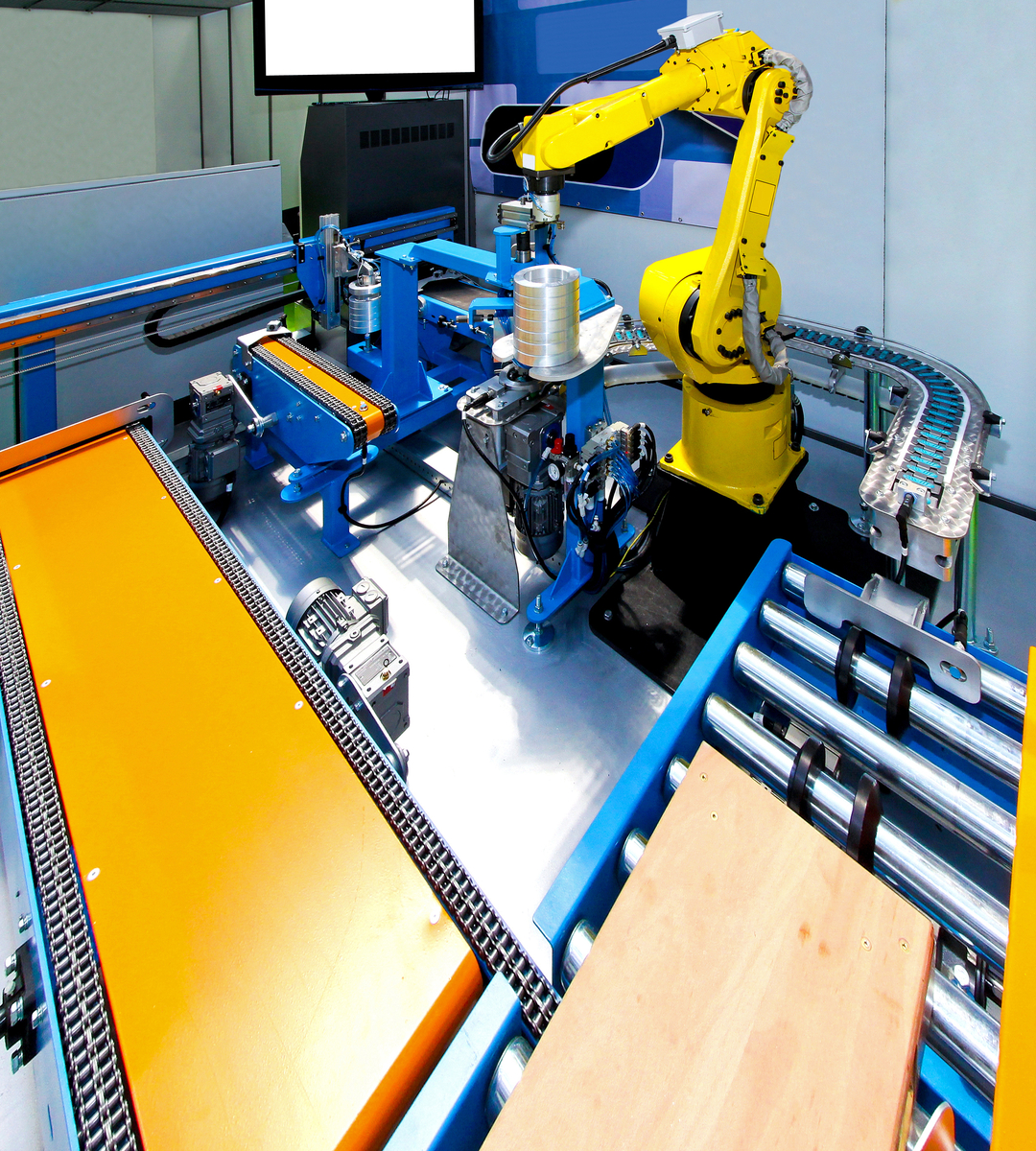
Image credit: automatedsolutions.com.au
Take a look at the amount of time that is lost between products
Manufacturing inefficiency doesn’t have to be dramatic. A worker could spend 15 seconds positioning the component before implementing 10 seconds of materials, and then a few seconds to move it onto the next stage. The difference might seem small for one component. When repeated thousands of times however these seconds can add significant production time.
The same is true for wasted material. A tiny amount of surplus coating or dispensing material that is multiplied across a high-volume production run can result in an expense that is significant.
Companies considering robotic automation Australia projects can benefit from examining these small, repeated losses before deciding what equipment they need. ASA’s analysis of requirements is designed to pinpoint bottlenecks and quality issues as well as the waste that can be a problem in a plan.
Robots must be able to work with the system.
A robot is only one of many engineering decisions. Tooling, guardings, controls sensors, conveyors and fixtures may also be required. Engineers should consider reach, payload and how the robot is going to move and interact in the surrounding.
ASA provides the ability to develop concepts, system design and offline programming as part of its approach to robotic automation. Digital simulation allows engineers to explore configurations and estimate durations of the cycle before the system is put into operation at the factory floor of the customer’s. It is particularly helpful when there’s a finite amount of space or the new robotics has to integrate with an existing production line.
Painting and Dispensing Show Why Repetability is Important
Some manufacturing processes illustrate the value of controlled movement particularly well. Imagine covering hundreds of components. The end goal isn’t simply finishing each part quickly. From the time of beginning production through the conclusion all the movements, speed and distance must be controlled.
The experts at ASA are proficient in painting and dispensing across industries including aerospace and automotive. In these environments industrial robotic automation offers the ability to repeat, programmed, and controlled movements. It also decreases the risk of exposure for employees to physically challenging or potentially dangerous processes.
The elimination of waste and the improvement in productivity is possible by better control.
Even after installation, the system still requires users
Automating doesn’t completely eliminate the need for manufacturing knowledge. Automation can alter the capabilities needed to maintain and operate the manufacturing process.
Employees must be taught to use equipment safely in order to identify any abnormalities as well as troubleshoot components that are malfunctioning and perform necessary maintenance. The needs for production may change in time, meaning that processes and programs will need to be adapted.
ASA provides training on site in safe operation, programming, troubleshooting, in addition to electrical and mechanical maintenance. The company provides continuous maintenance and service to ensure that the equipment is in good order and wear and tear issues are taken care of.
Capacity Is About More Than Being able to work faster
An increase in capacity for Australian manufacturers does not necessarily involve buying a bigger facility or adding more labor on repetitive processes. Sometimes, it is better to ask if the production process can be improved.
ASA has been creating and integrated automation solutions since 2002. It works with manufacturers in Australia and international projects. The method is based on analysis of needs with engineering, simulations FANUC robotic integration and training as well as servicing.
Automation isn’t the objective. A successful system must give the manufacturer something tangible in return more dependable production, consistent quality, safer processes, lower waste or additional capacity from the facility it operates.